Which Are The Signs of a Reduced Anion Gap?
A low anion gap is usually a test result that deserves context more than panic. It can be a diagnostic clue about electrolyte balance, protein amounts, or a possible health condition, but it often does not cause a dramatic symptom pattern by itself. An Anion Gap Calculator can help with reading the test, especially when you want to compare your numbers with the expected normal range and understand whether the result is a meaningful abnormal result or a one-time issue.
The key question is not only what the number means, but whether it fits your clinical history, other laboratory results, and any symptoms you may be having. In many cases, the real concern is the condition behind the low result, not the low anion gap itself.
What is the anion gap?
The anion gap serves as a calculated value that helps clinicians evaluate the equilibrium of electrolytes in the blood. It is usually calculated from common blood chemistry results, especially sodium, chloride, and bicarbonate. Because these numbers are part of a routine blood chemistry or metabolic panel, the anion gap serves as a simple way to look for shifts in acid-base balance.
Although the exact formula can vary a little by lab, the general idea stays the same: it estimates the difference between major positively charged and negatively charged particles in the blood. That difference can provide a helpful clinical significance signal when something is off, such as certain acid-base disorders or protein changes.
For that reason, the anion gap is best understood as a piece of the larger puzzle. It is not a stand-alone diagnosis. Instead, it is a blood test result that helps identify patterns in the body’s chemistry.
What is the meaning of a low anion gap?
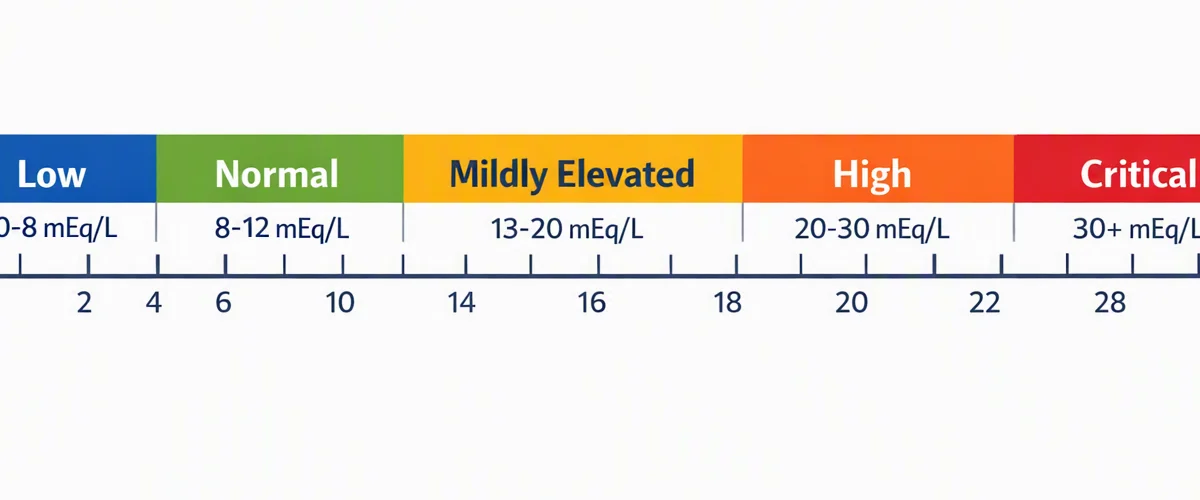
A low anion gap means the resulting figure is lower than the lab’s expected normal range. A typical anion gap is what many people see on a routine blood test, and a lower result can be unexpected. Still, a low result does not automatically mean something serious is wrong.
One of the most common reasons for a low anion gap is low albumin, a key blood protein that helps maintain the balance of charged particles. When albumin drops, the gap can also drop. That is why clinicians often look at albumin alongside the anion gap rather than in isolation.
A low result can also happen because of a testing issue or because another condition changes the blood’s chemistry. In other words, the number may be a signal, but it needs clinical interpretation in context. That is where an Anion Gap Calculator can help you understand the calculation and compare the result with the expected expected range.
Some people discover a low anion gap during routine testing and have no noticeable symptoms. Others may have signs of the condition behind it. The result itself is usually of less concern than whether it points to an chemical, protein, or medication issue that needs additional care.
What are the indications of low anion gap?
A low anion gap frequently has no direct symptoms. A lot of people feel completely normal and only learn about it after a routine metabolic panel. When symptoms do occur, they typically come from the underlying condition rather than the low gap itself.
Common complaints that may be seen alongside a low result include fatigue, weakness, and confusion. These symptoms are not specific to one cause, which means they can point to many different problems, including electrolyte issues, low protein levels, kidney-related concerns, or medication effects. That is why symptom severity matters, but so does the overall clinical picture.
Here is the practical way to think about it:
- Fatigue may suggest a broader medical issue, especially if it is recent or persistent.
- Weakness can happen with electrolyte imbalance, medication effects, or illness affecting the body’s chemistry.
- Confusion is more concerning and may indicate a more significant imbalance or another problem needing prompt attention.
These symptoms are not proof that the low anion gap is the cause. Instead, they can be a signal that the abnormal result should be reviewed more closely. If the low value appears with other abnormal labs, the symptom pattern becomes more meaningful.
If you feel well and the low anion gap was found incidentally, clinicians may consider watchful waiting, repeat testing, and review of the patient history before taking further steps. If you have symptoms, though, the result should not be ignored.
What leads to a reduced anion gap?
There exist multiple potential causes of a decreased anion gap, and the most likely one depends on the full clinical picture. Some issues are related to blood proteins, some to medications, and some to laboratory issues.
Hypoalbuminemia is one of the most frequent causes. When albumin is low, the calculated anion gap can fall because albumin contributes to the blood’s normal charge balance. This is why clinicians often check serum protein or additional protein-related tests when the gap is unexpectedly low.
Multiple myeloma is a further important cause to consider. This condition can change the concentration of abnormal proteins in the blood, which may affect the anion gap. It is not the most common explanation, but it is a clinically important one because the low anion gap may act as a clue to a more serious underlying condition.
Lithium can also lower the anion gap in some situations. Because lithium is a medication, this is one reason a thorough medication review matters when interpreting lab values.
Lab error is a further possibility. A measurement error or sample issue can create an abnormal result that disappears on repeat testing. This is especially relevant if the result does not fit the patient history or other blood chemistry findings.
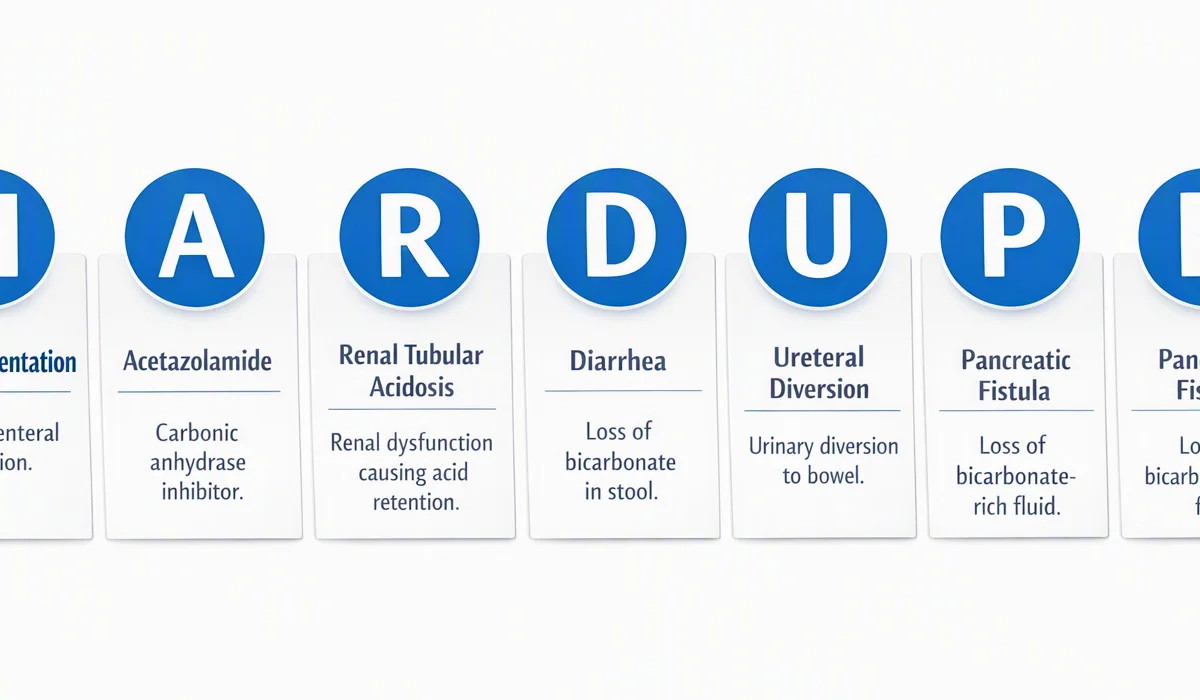
Other causes may involve kidney disease, changes in electrolyte balance, or unusual protein patterns. The main point is that a low anion gap is not a diagnosis by itself. It is a clue that should be matched with the rest of the blood test and the person’s overall condition.
How is a low anion gap diagnosed?
The diagnosis begins with verifying that the result is real. A clinician will usually assess the metabolic panel and check whether the low number makes sense in the context of other lab values. Because the anion gap is calculated from sodium, chloride, and bicarbonate, even a small issue in one of those numbers can affect the result.
Repeat testing is often one of the first steps, especially if the result is unexpected. If the low value disappears, that supports the possibility of a lab error or other measurement error. If it remains low, the next step is usually to look for a cause such as low albumin, abnormal proteins, or medication effects.
A clinician may also order tests related to serum protein and albumin. These help determine whether the low anion gap is linked to protein levels. If there is concern for conditions such as multiple myeloma, more specific testing may be needed to rule out abnormal protein production.
An anion gap calculator can be useful here because it helps you or your clinician confirm the arithmetic and match the result against the expected reference range. That does not take the place of medical judgment, but it can improve understanding of the abnormal result and support better follow-up care.
In short, diagnosis is less about the number alone and more about confirming the result, reviewing patient history, and identifying the likely underlying condition.
When ought you to reach out to a doctor?
You should contact a doctor if the low anion gap comes with worrying red flags or if it is persistent on more than one test. This is particularly important if you have symptoms that suggest an electrolyte imbalance or a more significant illness.
Seek prompt medical evaluation if you have:
- Newly developed or worsening confusion
- Significant weakness or trouble functioning normally
- Significant fatigue that is unexplained
- Symptoms suggesting kidney problems
- A known history of kidney disease
- Medication use that may affect lab values, including lithium
It is also reasonable to get in touch if the result was unexpected and you were told to repeat the lab, or if the abnormal result does not match how you feel. A low anion gap that appears alongside abnormal protein tests, low albumin, or other concerning findings should not be dismissed.
For many people, the correct approach is not emergency care but timely medical advice, especially if the issue is found during routine testing. The goal is to identify whether the low number is harmless, temporary, or a marker of something that needs treatment.
Is it possible for a low anion gap be treated?
A reduced anion gap is treated by addressing the root cause, not the number directly. If the low result is due to reduced albumin, the plan may involve checking nutrition, inflammation, liver function, or other contributors to hypoalbuminemia. If there is a medication-related issue, medication review becomes important.
In some cases, management may include albumin supplementation, but that depends on why albumin is low and whether replacement is appropriate. This is not something to assume from the lab value alone. A clinician will decide based on the overall clinical picture.
If the cause is a plasma cell disorder or another protein disorder, treatment targets that condition directly. If the issue is lithium therapy, the medication may need adjustment under medical supervision. If the result was caused by testing error, no treatment is needed, but follow-up testing may still be necessary to confirm the blood chemistry is stable.
In many cases, low anion gap management is mostly about determining what is driving the abnormal result and then tracking the response. Good follow-up care can make sure the value returns to the expected range or that the underlying condition is handled appropriately.
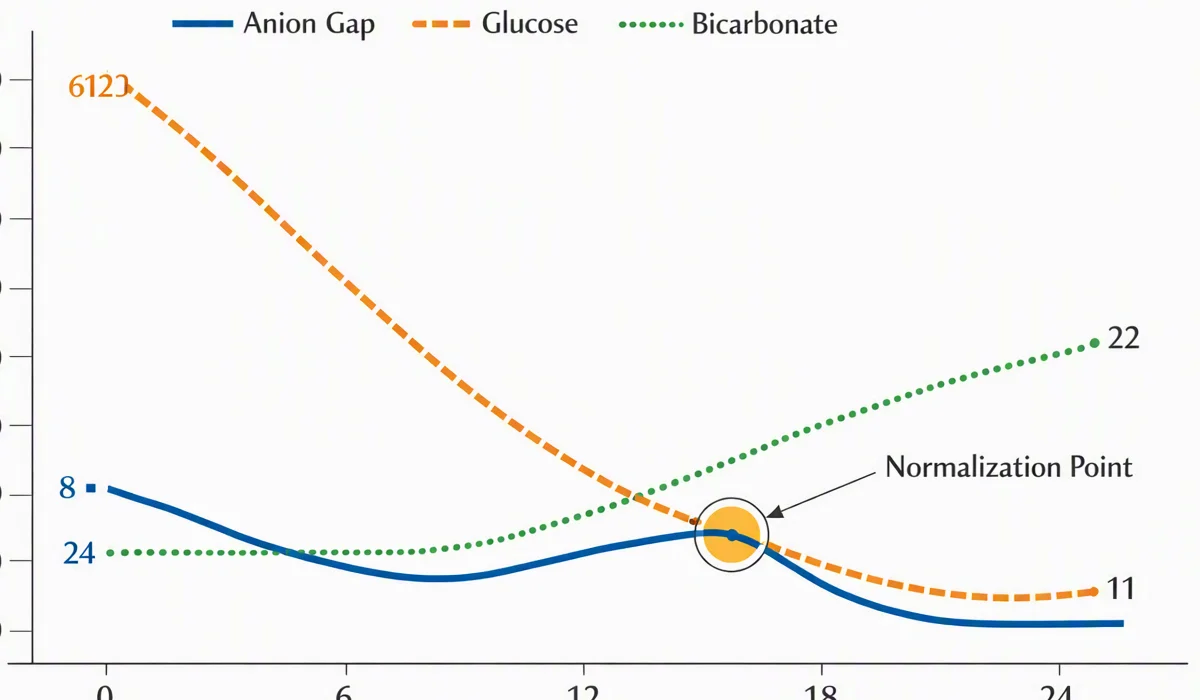
How to use an Anion Gap Calculator properly
An Anion Gap Calculator is most useful when you enter the correct input values. The calculation depends on precise lab values, especially the sodium measurement, chloride level, and bicarbonate level. If any of those numbers are entered incorrectly, the calculation will be misleading.
To use the calculator well:
- Input the exact lab values from the report.
- Confirm whether the units match what the calculator expects.
- Make sure you are using the same sample and not mixing values from different tests.
- Review the result with the correct expected range for that lab.
It also helps to remember that the calculator supports clinical interpretation, but it does not replace clinical judgment. A result that looks low may be less important if the rest of the https://anion-gap-reference490.inkharbory.com/posts/how-to-interpret-anion-gap-in-sepsis metabolic panel is normal. On the other hand, a slightly low value may matter more if the patient has symptoms, abnormal protein levels, or a history of kidney disease.
By using the calculator correctly can clarify whether the number is truly low and whether it matches the broader pattern of blood chemistry findings. That makes it a practical tool for interpreting the clinical significance of the lab result.
Frequently asked questions
What symptoms are linked to a low anion gap?
A low anion gap often leads to no direct symptoms. When symptoms show up, they are usually related to the main cause and may include fatigue, weakness, or confusion. The symptom pattern matters most when it appears with other abnormal lab values or signs of electrolyte imbalance.
Is a low anion gap always dangerous?
Not always. A low anion gap can be harmless, temporary, or due to lab error. It can also point to an important underlying condition such as hypoalbuminemia, kidney disease, or multiple myeloma. The danger depends on the cause, the reference range, and whether symptoms or other abnormal results are present.
What commonly causes a low anion gap?
Low albumin, or hypoalbuminemia, is one of the most common causes. Because albumin affects blood chemistry and electrolyte balance, lower protein levels can reduce the calculated anion gap. Repeat testing and review of serum protein often help confirm the reason.
Is dehydration a cause of a low anion gap?
Dehydration is not a classic cause of a low anion gap. It can affect lab values in different ways, but a low result more often points to low albumin, medication effects, lab error, or another underlying condition. If dehydration is suspected, a clinician will look at the full metabolic panel and patient history.
Should I use an Anion Gap Calculator when my lab result is low?
Yes, it can be helpful for checking the calculation and understanding interpretation, especially if you want to compare the result with the reference range. The calculator is best used as a support tool, not a replacement for medical evaluation. If the result is abnormal, persistent, or comes with symptoms like weakness or confusion, follow-up care with a clinician is important.