What Is Uncounted Anions in Blood?
The term extra anions refers to negative-charge substances in the blood that are not directly listed on a standard chemistry report but still affect the balance of electrical salts. Understanding them helps explain the anion gap, a useful clue in interpreting a blood test and identifying an acid-base disorder. A simple anion gap calculator uses common lab values such as sodium, chloride, and bicarbonate to estimate whether extra negative ions may be present.
This matters because the body depends on careful acid-base balance for normal metabolism, stabilization, and cell function. When the result is increased or decreased, it can provide a useful diagnostic clue about an root cause. In many cases, the pattern points toward metabolic acidosis or another issue that deserves closer clinical evaluation.
What Is the Anion Gap?
The anion gap is a derived value that evaluates the major positive ions and negative ions measured in a routine chemistry panel. It is usually based on sodium, chloride, and bicarbonate, which are part of the typical serum electrolytes. Some formulas also include potassium, but many do not because its level is lower and affects the result only a little.
In practical terms, the anion gap helps gauge how many charged particles are present in the blood but are not directly measured on the lab report. The idea comes from the need for electrical neutrality: the total amount of positive charge should match the total amount of negative charge. When there is a gap, it implies that some negatively charged substances are being counted indirectly.
A basic formula is often shown as:
Anion gap = sodium - (chloride + bicarbonate)
This calculation is commonly done from a blood chemistry panel. It is not a diagnosis by itself, but it is a helpful screening tool that gives context to the rest of the results. The normal range or reference range changes by laboratory, so interpretation should always reflect the lab’s own standards.
What Mean Unmeasured Anions?
Unmeasured anions are negatively charged substances present in the bloodstream that are not part of the standard electrolyte list. They affect the anion gap because they are not individually reported with the regular serum chemistry values. Some are natural components of blood, while others rise during illness.
Important examples include plasma proteins, especially albumin, which is one of the main unmeasured anions in well blood. Other examples include phosphate and sulfate, both of which carry negative charge. Under certain conditions, substances such as lactate and ketones can also collect and widen the gap.
The clinical significance of unmeasured anions is that they help explain why a lab value may be abnormal even when the obvious electrolytes look only somewhat changed. For example, a person may have a normal sodium and chloride level, yet still show a changed anion gap because of shifts in albumin or the buildup of acids. This is one reason why lab interpretation requires attention to the whole pattern rather than one number alone.
It is also important to remember that unmeasured anions are part of normal physiology. The body constantly regulates these charged particles as part of circulation, buffering, and metabolism. The gap becomes especially informative when illness alters that balance.
How an Anion Gap Calculator Works
An anion gap calculator takes the values from a blood test to https://anion-gap-chart290.iamarrows.com/what-s-an-anion-gap-calculator-for make a quick calculation. The key inputs usually come from serum electrolytes, especially sodium, chloride, and bicarbonate. Some versions also include potassium if the formula being used requires it.
The calculator does not measure unmeasured anions directly. Instead, it estimates their presence by comparing the measured ions. A higher-than-expected result may suggest extra negative substances in the blood. A decreased result may point to a change in albumin, protein levels, or another factor affecting charge balance.
This type of calculation is useful because it turns routine laboratory data into a more useful interpretation. For example, the same serum chemistry report can appear normal at first glance, but the calculated anion gap may provide a clue that an acid-base disorder is present. That is why the anion gap calculator is often used as part of the broader workup for metabolic issues.
In clinical practice, the result should be read alongside the rest of the blood chemistry panel, the person’s symptoms, and any known medical conditions. The calculation is only part of the overall picture, but it is a important one.
Why the Anion Gap Changes
The anion gap shifts when the ratio between measured and unmeasured ions moves. One of the most common reasons is metabolic acidosis, a disorder in which acids build up or bicarbonate is lost. When this happens, the body may accumulate more unmeasured anions, which elevates the gap.
Lactic acidosis is a classic cause. It can happen when tissues do not get enough oxygen or when the body is under severe stress. In that setting, lactate rises and drives the increased gap. Another major cause is ketoacidosis, where ketones build up because the body is breaking down fat for energy. This is often seen in uncontrolled diabetes, starvation, or other conditions of impaired glucose use.
Toxins can also influence the result. Certain poisons, especially toxic alcohols, may cause a high anion gap by creating harmful acid byproducts. Other causes include renal failure, where the kidneys cannot remove acids efficiently, leading to accumulation of unmeasured acidic substances.
Changes in the anion gap are therefore not random. They are often a sign that something in the body’s acid handling, kidney function, circulation, or metabolism has changed. That makes the result important for finding the underlying cause of illness.
Reduced, Normal, and High Anion Gap Results
To interpret the result, clinicians check it to the lab’s reference range. A result that is within the expected range is often called typical, but that does not always mean there is no problem. The full picture still matters, especially if symptoms suggest an acid-base disorder.
A high anion gap is often associated with additional unmeasured acids, such as lactate, ketones, or toxins. It can also appear with renal failure, when acid elimination is impaired. This type of result is often a sign of metabolic acidosis and should be interpreted carefully.
A low anion gap is less common. One major cause is hypoalbuminemia, because albumin normally contributes significant negative charge. When albumin is low, the gap may appear decreased even if the person has another issue. Other causes can include changes in lab measurement, elevated positively charged proteins, or differences in the overall protein balance.
Occasionally the anion gap looks normal even when a problem exists. This may happen if there is a mixed disorder or if the underlying cause does not create many unmeasured anions. For that reason, the anion gap is best seen as a clue, not a final answer.
In What Way Albumin Affects the Anion Gap
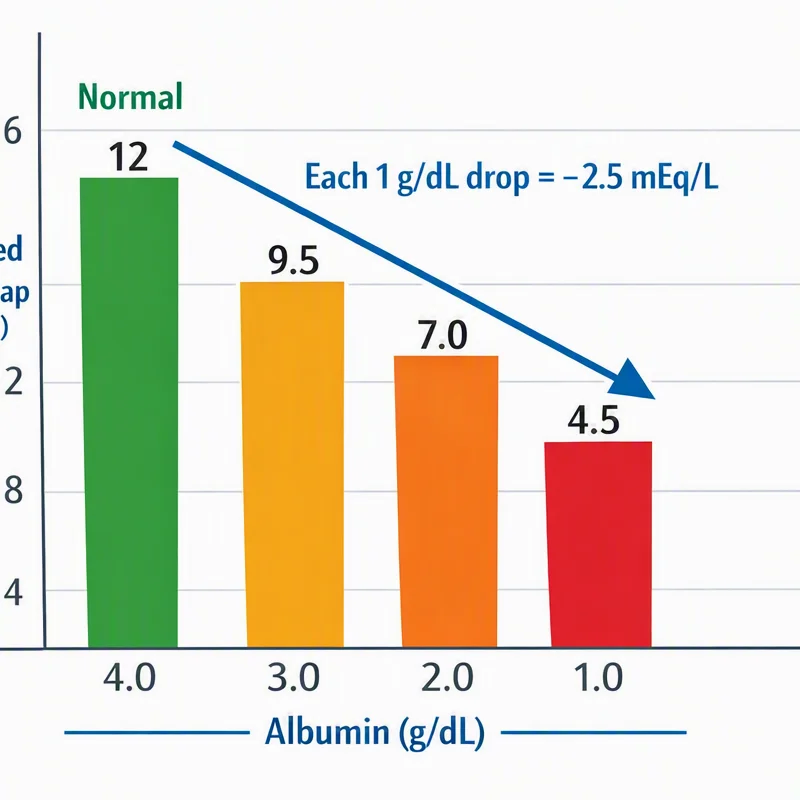
Albumin serves as one of the key unmeasured anions in blood. As it carries a protein charge, it has a major influence on the anion gap. If albumin is low, the calculated gap may be artificially decreased, even if other acids are present.
For this reason albumin correction is often used in analysis. A corrected anion gap modifies the result so that the effect of low albumin is taken into account. The purpose of correction is to help identify a hidden high-gap state in someone with hypoalbuminemia.
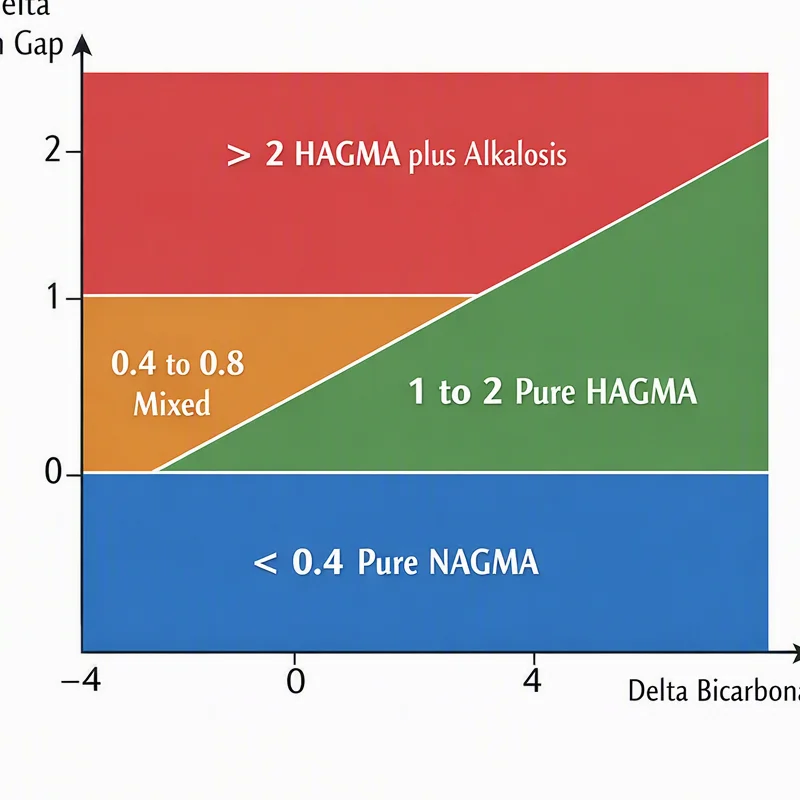
Low albumin may occur with illness, inflammation, poor nutrition, liver disease, or fluid overload. In some cases, low total protein levels, or hypoproteinemia, also influence interpretation because they change the overall distribution of charged particles in blood. Since albumin is such a principal contributor, even a modest reduction can shift the lab value in a meaningful way.
Albumin correction is especially useful when the clinical picture suggests acidosis but the raw anion gap appears normal. In that setting, the corrected value may show the true problem. This is one reason why albumin should be reviewed whenever an anion gap is being used for diagnosis.
When You Should Seek Medical Assessment
A altered anion gap on its own does not diagnose a illness, but it can suggest the need for medical evaluation. This is especially true if the result is paired with worrisome symptoms such as rapid breathing, confusion, vomiting, severe weakness, dehydration, or altered mental status. These can occur with metabolic acidosis and other serious disorders.
If you are reviewing blood test results, pay attention to the complete pattern rather than the anion gap alone. A clinician will look at the blood chemistry panel, including sodium, chloride, bicarbonate, potassium, creatinine, glucose, and sometimes blood gas data. That broader view helps determine the diagnosis and whether the issue is urgent.
Laboratory findings must always be matched with the story of the person in front of the clinician. A high gap can be an important signal of lactic acidosis, ketoacidosis, renal failure, or toxic alcohol exposure. A low gap may point toward albumin loss, protein abnormalities, or other less common issues. In both situations, proper laboratory interpretation prevents overreaction to a single number and helps direct the next step.
If a result seems unexpected, repeat testing or additional studies may be needed. The goal is to identify the underlying cause early, especially when an acid-base problem could become serious quickly.
Common Questions
What are unmeasured anions in blood?
Unmeasured anions are negatively charged substances in the blood that are not directly listed on a standard blood test for electrolytes. They include normal compounds like albumin as well as substances that may rise during illness, such as lactate or ketones. Their presence helps explain the anion gap and can point to an acid-base problem.
What counts as a normal anion gap?
A normal anion gap depends on the laboratory’s reference range and the specific formula being used. Different labs may report slightly different ranges because of measurement methods and whether potassium is included. The most important step is to compare the result with the lab’s stated normal range.
Why can low albumin influence the anion gap?
Albumin bears negative charge and is one of the biggest plasma proteins affecting the anion gap. When albumin is low, the gap may look decreased even if another acid base issue is present. That is why albumin correction and the corrected anion gap are useful in interpretation.
Can a high anion gap indicate a serious condition?
Yes. A high anion gap can be a sign of serious illness such as metabolic acidosis, lactic acidosis, ketoacidosis, renal failure, or exposure to toxic alcohols. It is not proof of one diagnosis by itself, but it is an useful clue that calls for clinical follow-up.
How is an anion gap calculator used to interpret blood tests?
An anion gap calculator uses values from a serum chemistry or serum electrolytes panel, usually sodium, chloride, and bicarbonate, to estimate the gap. The result helps clinicians interpret the blood test, search for unmeasured anions, and decide whether more testing is needed. When albumin is low, the result may be adjusted using a corrected anion gap for improved accuracy.