Could multiple myeloma Lead To Low Anion Gap?
A low anion gap can be confusing, especially when it appears on an otherwise routine lab report. An anion gap calculator can help explain the number, but the result is only one part of the overall picture. In some cases, a low anion gap can be linked to multiple myeloma, a hematologic malignancy that affects plasma cells and can change the balance of serum proteins in the blood. More often, though, a low result has a simpler explanation such as hypoalbuminemia or even lab error.
This article explains the anion gap concept, how it is calculated, what can make it low, and when it may point toward a condition such as monoclonal gammopathy or multiple myeloma. It also illustrates how clinicians use lab https://anion-gap-lookup590.wordcanopy.com/posts/can-metformin-trigger-a-high-anion-gap interpretation, symptom evaluation, and follow-up testing to decide whether an abnormal result needs more attention.
What’s the Anion Gap?
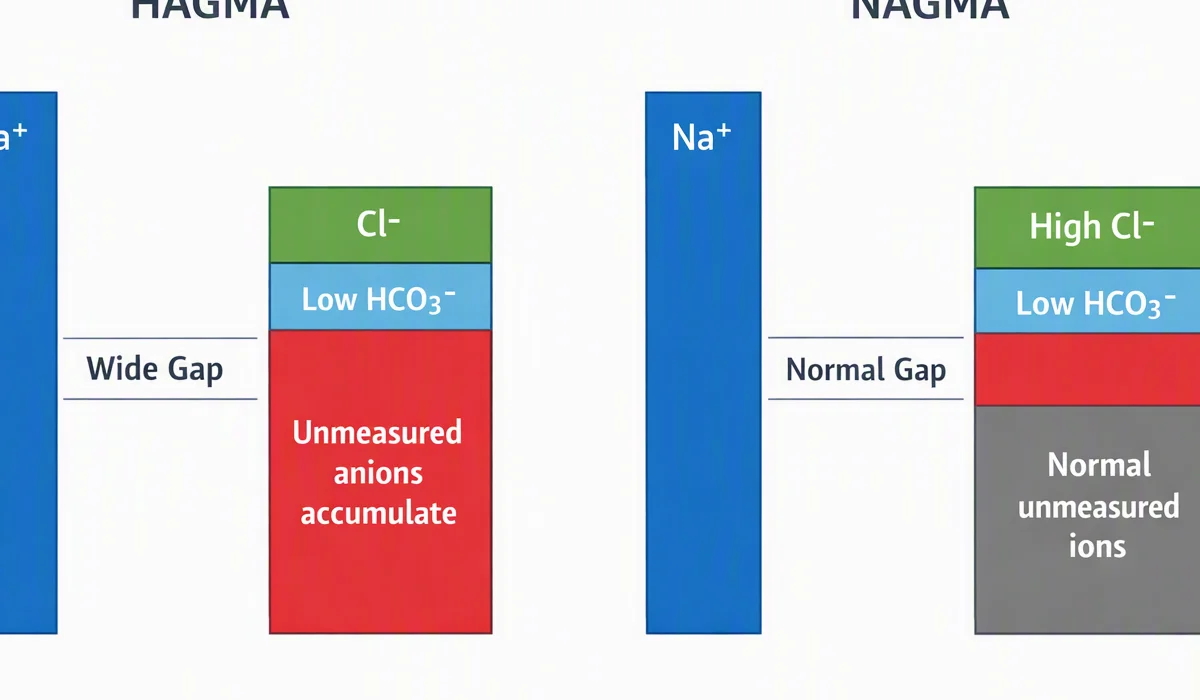
The anion gap acts as a derived value used to estimate the equilibrium between positively charged and negatively charged particles in the blood. It reflects electrolyte balance and helps clinicians assess acid-base status. This value is not measured directly; it is derived from values found on a standard blood chemistry report.
Typically, the calculation uses sodium, chloride, and bicarbonate. Because these are part of routine blood chemistry, the anion gap is often available on a standard serum chemistry panel. The result can provide clues about metabolic disorders, toxin exposure, kidney problems, and certain protein abnormalities.
In simple terms, the anion gap helps estimate whether the blood has an unexpected charge imbalance. If the gap is lower than expected, it may be due to fewer unmeasured negative ions, more unmeasured positive ions, or an issue with the test itself.
Although the anion gap is a helpful clue, it is not a diagnosis. A normal or abnormal result must be interpreted in context, with attention to the full clinical picture and any related abnormalities in plasma proteins or electrolytes.
How the Anion Gap Calculator Operates
An anion gap calculator relies on a blood test to estimate the anion gap from the serum chemistry panel. In the most common version, it takes away chloride and bicarbonate from sodium. The result is a calculated value, not a measured outright one.
That means the calculator is only as accurate as the numbers entered into it. If sodium, chloride, or bicarbonate are wrong because of collection problems, sample handling issues, or reporting mistakes, the calculated result can be misleading. This is one reason clinicians first consider lab interpretation and whether a repeat test is needed.
Modern anion gap calculators may also include albumin, since low albumin can lower the gap. Albumin is one of the main negatively charged immunoglobulins-adjacent plasma proteins in the blood’s chemistry context, and when it drops, the anion gap may fall as well. That is why a low result should never be viewed in isolation.
Because the anion gap is a screening test rather than a definitive diagnosis, it is best used as part of a broader diagnostic workup. A low result can prompt a review of medications, kidney function, protein levels, and symptoms that might suggest an underlying disease process.
Can Multiple Myeloma Cause a Low Anion Gap?
Indeed, multiple myeloma can result in a low anion gap. This happens because the disease makes abnormal paraproteins, which are monoclonal proteins made by cancerous plasma cells. These proteins can change the blood’s electrical balance and decrease the calculated anion gap.
Multiple myeloma is one form of monoclonal gammopathy, a group of disorders in which a single clone of plasma cells makes excess abnormal protein. Not every patient with a monoclonal gammopathy has myeloma, but the presence of paraproteins can be an important clue when clinicians are reviewing an abnormal result.
A low anion gap does not specifically indicate multiple myeloma, but it can be an first or incidental hint. In some people, it appears before other findings become obvious. In others, it shows up along with anemia, kidney dysfunction, or bone pain, which makes the possibility of plasma cell disease more concerning.
The key point is that a low anion gap does not prove multiple myeloma. It simply raises a question: is the low value due to a benign cause, or is it part of a larger pattern of protein abnormalities and systemic illness?
How Paraproteins Reduce the Anion Gap
Paraproteins may lower the anion gap because they function as positively charged proteins in the bloodstream. As these abnormal proteins increase, they can change the balance of measurable ions, making the calculated gap appear smaller than expected.
This effect is closely related to the role of immunoglobulin proteins. In multiple myeloma, one type of immunoglobulin or its fragments may be produced in excess. These abnormal proteins can influence other ions, change chloride and bicarbonate relationships, and create the appearance of a reduced anion gap on lab interpretation.
Albumin also matters here. Albumin is normally negatively charged, so low albumin can reduce the gap. But in plasma cell disorders, the issue may be different: abnormal monoclonal proteins can add positive charge and create a similar pattern. This is why clinicians look at both albumin and total serum proteins when evaluating a low value.
Testing such as protein electrophoresis helps identify whether a paraprotein is present. If the pattern suggests a monoclonal spike, follow-up testing may distinguish between a benign protein change and a true plasma cell disorder. In other words, the low anion gap is not the end of the story; it is often the starting point for better interpretation.
A low anion gap can reflect a charge imbalance caused by abnormal serum proteins, but it must always be checked against the rest of the clinical picture.
Other Causes of a Low Anion Gap
Myeloma is only one possible cause of a low anion gap. Actually, many more common issues may explain the result first. The most frequent include hypoalbuminemia, lab error, certain medications, and changes in electrolytes.
Hypoalbuminemia is a common explanation because albumin is a important negatively charged protein. When albumin is low, the anion gap often decreases with it. Low albumin can occur with inflammation, malnutrition, liver disease, and kidney disease.
Lab error is another important possibility. Since the anion gap is a calculated value, a small issue in sodium, chloride, or bicarbonate measurement can change the result. If the value is unexpected and there is no clear clinical reason, repeating the test is often the first step.
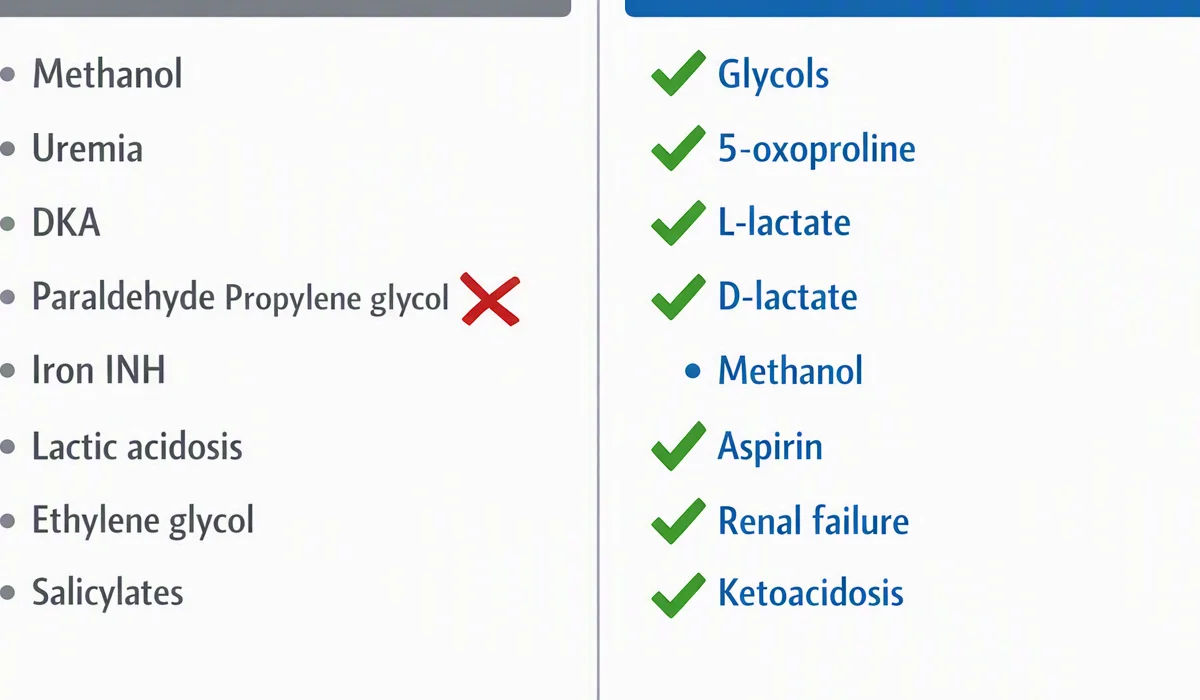
Some medications and medical conditions can also contribute. Lithium can lower the anion gap because it is an unmeasured cation. Hypercalcemia may also influence the calculation and deserves attention, especially if there are other concerning findings. In addition, kidney disease can affect protein handling, electrolyte balance, and acid-base status, all of which can complicate interpretation.
Because so many factors can alter the result, a low anion gap should be viewed as a clue, not a conclusion. The pattern of blood chemistry, symptoms, and other lab findings matters more than the number alone.
When a Low Anion Gap Is a Warning Sign
A low anion gap becomes more alarming when it appears together with symptoms or lab changes that suggest a more serious problem. In this setting, the result can indicate a condition such as multiple myeloma or another protein-related disorder.
Warning signs include anemia, kidney dysfunction, bone pain, and persistent fatigue. These symptoms can occur in multiple myeloma because abnormal plasma cells displace normal bone marrow function, damage bone, and affect kidney health. When they show up together, a low anion gap deserves more careful evaluation.
Another reason a low anion gap deserves attention is that it may reflect broader protein abnormalities even before a diagnosis is made. If blood chemistry shows low albumin, high total protein, or other signs of abnormal serum proteins, clinicians may consider monoclonal gammopathy or related conditions.
The clinical significance increases when the abnormal result is not a one-time finding. A repeated low value, especially with increasing symptoms, usually calls for closer symptom evaluation and follow-up testing. That is particularly true when there is no obvious explanation such as dehydration correction, medication effect, or a known issue with the sample.
It is important to remember that a red flag does not mean cancer is certain. It means the abnormal result should not be ignored. The goal is to rule out serious causes while also considering more common explanations.
Which Tests May Follow an Unexpected Result?
When the anion gap is reduced and the reason is not obvious, the usual next steps often concentrate on confirming the finding and searching for a protein disorder. One common first test is a CBC, which can identify anemia or other blood count changes that may guide further evaluation.
To assess possible paraproteins, clinicians often order serum protein electrophoresis, a form of protein electrophoresis that splits blood proteins and can identify a monoclonal spike. This is a key test when multiple myeloma or monoclonal gammopathy is suspected.
Immunofixation may follow to pinpoint the exact type of abnormal protein present. It can help identify whether the issue involves a particular immunoglobulin class or light chain pattern. This level of detail supports a more exact diagnostic workup.
Free light chains are another useful test. These are fragments of immunoglobulin made by plasma cells, and elevated or imbalanced levels can support the diagnosis of plasma cell disorders. They are especially helpful when routine protein tests are not definitive.
Other follow-up testing may include repeat electrolytes, kidney function tests, calcium, albumin, and additional studies based on symptoms. The overall goal is to relate the abnormal result with the right clinical explanation, rather than treating the anion gap as a stand-alone diagnosis.
FAQ: Low Anion Gap and Multiple Myeloma
Can multiple myeloma be the cause of a low anion gap?
Indeed. Multiple myeloma can cause a low anion gap because abnormal paraproteins can change the blood’s charge balance. That said, other causes such as hypoalbuminemia, lab error, and kidney disease are often more common, so the result must be interpreted in context.
How low is considered a low anion gap?
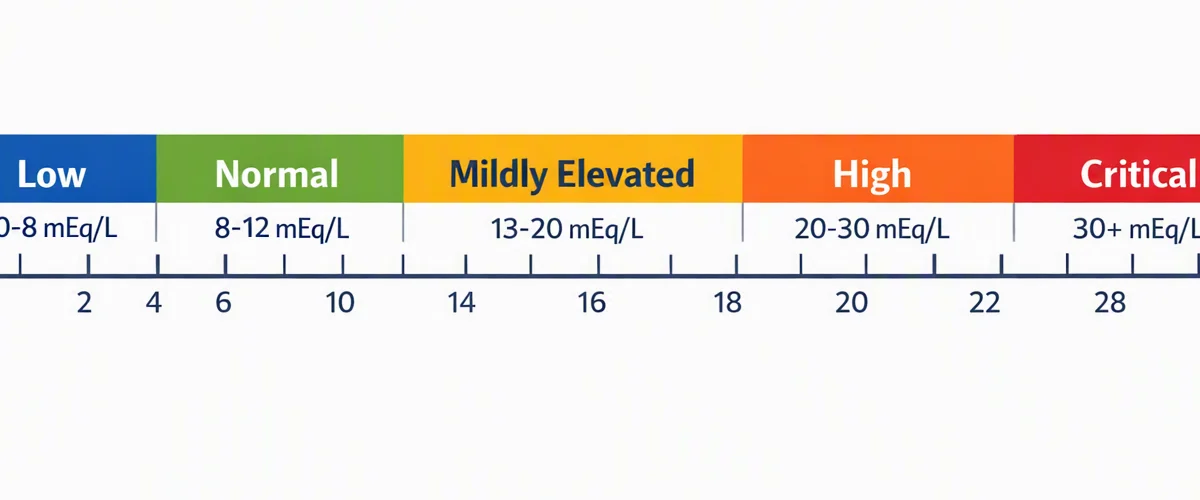
The exact reference range depends on the laboratory and the method used, so there is no single universal cutoff. In general, a result below the lab’s reference range is considered low. The anion gap calculator should always be compared with the reported reference range on the blood test.
Does a low anion gap always mean cancer?
No. A low anion gap does not automatically mean cancer. Frequent explanations include low albumin, lab error, and certain medications. Cancer is only one possibility, and it is usually considered when the low result appears with additional concerning findings.
What else lab abnormalities can point to multiple myeloma?
Findings that may point toward it include anemia, kidney dysfunction, high calcium, abnormal total protein, and abnormal serum protein electrophoresis results. Free light chains and immunofixation may also show patterns that support the diagnosis.
What should I do if my anion gap calculator result is low?
If your anion gap calculator result is low, go over it with a clinician who can interpret it in context. They may repeat the test, check albumin, and order follow-up testing such as CBC, serum protein electrophoresis, immunofixation, or free light chains if needed. A low result alone is not diagnostic, but it can be an helpful clue.